
Brian Orser’s net worth in 2026 sits at roughly $3 million, and the way he built it is a genuinely unusual story in Olympic sports. He never won Olympic gold as a competitor. Twice he came agonizingly close and left with silver instead. But as a coach, he’s produced more Olympic champions than almost anyone else in figure skating history, and that second act is where most of his fortune actually comes from.
At 64, Orser is still working the ice daily at his rink outside Toronto, which tells you something about how he’s built his wealth: steadily, over decades, rather than through one big payday.
Brian Orser Net Worth 2026: How a Silver Medalist Built a Golden Career
Celebrity Net Worth estimates Orser’s fortune at $3 million. That figure doesn’t come from a single source — it’s the accumulation of a professional skating career in the 1990s followed by more than fifteen years of elite coaching, which is almost certainly the bigger contributor by now. Coaches at his level don’t publish their fees, but guiding multiple athletes to Olympic and World titles over a career this long adds up to a very different income than a typical figure skating coach ever sees.
The Competitor Who Almost Had It All
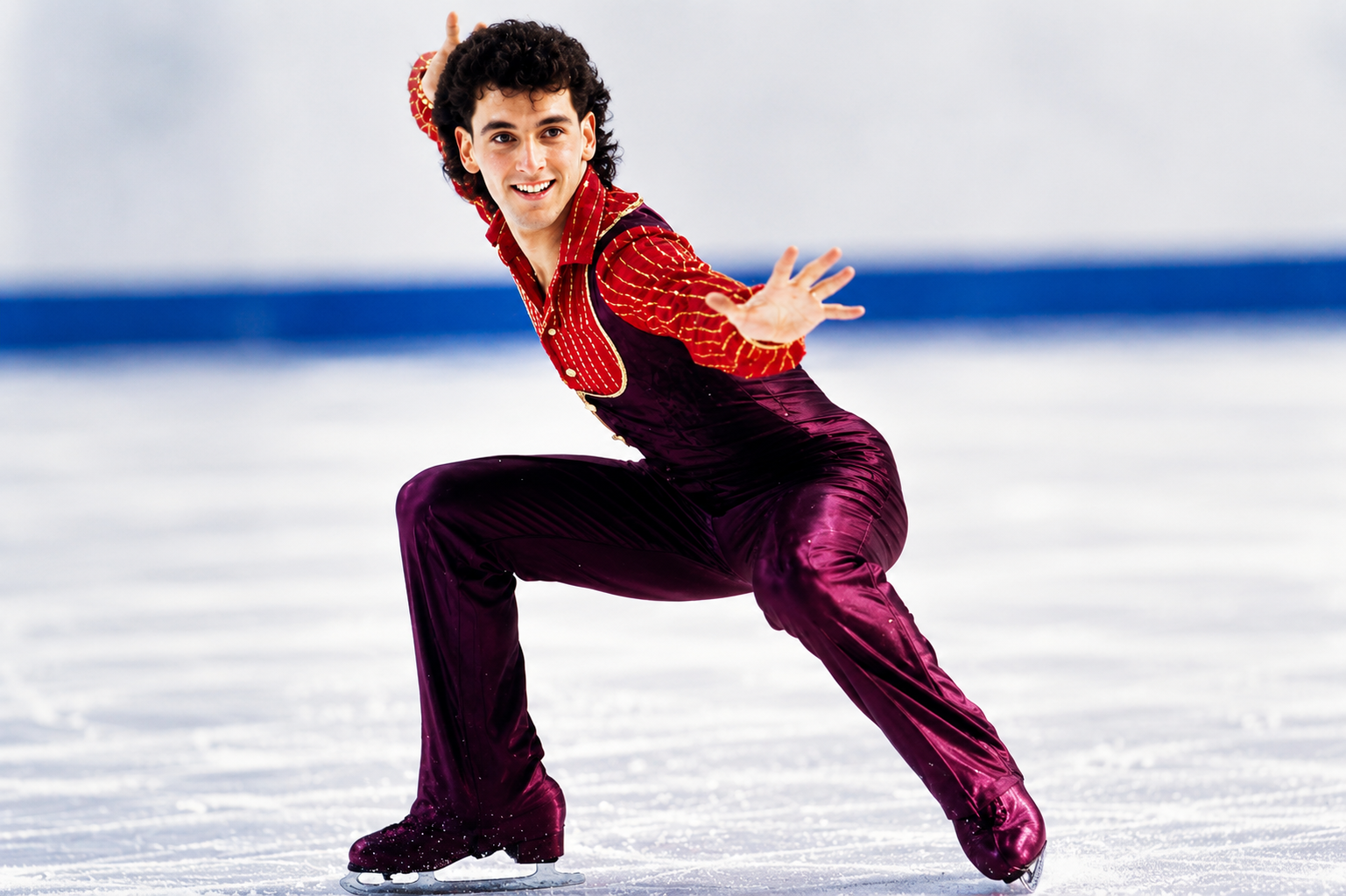
Orser’s competitive career peaked at exactly the wrong moments to win gold. At the 1984 Sarajevo Olympics, he lost to Scott Hamilton. At the 1988 Calgary Games, skating in front of a home crowd, he lost the “Battle of the Brians” to American rival Brian Boitano in one of the most closely scored men’s competitions in Olympic history. He still made history along the way, becoming the first man to land a triple Axel at the Olympics and, a year later, the first to land two triple Axels in a single World Championship free skate. He won World gold in 1987 and took the Canadian national title eight years running.
He turned professional after Calgary and spent close to two decades touring with Stars on Ice, which kept him financially stable through his thirties and forties while the sport figured out what to do with an athlete who was more decorated than most gold medalists despite never winning one.
Where the Real Money Started: Coaching
Orser began coaching around 2005, and what followed reshaped his entire financial picture. He guided Yuna Kim to Olympic gold in 2010, then took on Yuzuru Hanyu and coached him to back-to-back Olympic titles in 2014 and 2018 — a level of sustained excellence practically unheard of in men’s figure skating. He also coached Javier Fernández to an Olympic bronze and multiple World titles. Three athletes, three completely different skating styles, and Orser found a way to get each of them to the top of the podium.
That track record is what makes him one of the most sought-after coaches in the sport, and it’s a completely different revenue model than competing ever was — instead of one shot every four years, he’s building income year after year from a roster of athletes at his home base, the Toronto Cricket Skating and Curling Club.
Still Shaping the Sport Heading Into 2026
Orser remains head coach at the Toronto club, working with a new generation of skaters including Victoria Barakhtina, Lucas Broussard, Kaiya Ruiter, and Seigo Tauchi, among others. Heading into the Milano-Cortina 2026 Winter Olympics, he’s spoken about seeing real promise building in Canadian singles skating again — the kind of comment that only carries weight coming from someone who’s coached the sport’s last several generations of champions.
That’s really the throughline of his career: he keeps producing results regardless of who’s on the ice in front of him, which is exactly the reputation that keeps his coaching income steady decades after his own competitive career ended.
The Personal Story Behind the Public Figure
Part of what makes Orser’s story resonate goes beyond medals and money. In 1998, he was publicly outed after his ex-boyfriend filed a palimony lawsuit and a court declined to seal the case documents, making his private life a matter of Canadian media coverage without his choosing. He’s since spoken openly about that period, saying plainly that he’s comfortable being out and that transparency has become part of how he runs his coaching practice. “All my athletes and their parents know of my lifestyle and my partner. I don’t hide anything, and that’s great,” he’s said.
It’s a detail worth including not as gossip but as context — Orser built one of the most respected coaching careers in his sport’s history in the years after being outed against his will, at a time when that could have derailed a public career entirely. It didn’t.
Why People Search Brian Orser’s Net Worth
Most searches for his finances come from a specific kind of curiosity: people watching Olympic figure skating, noticing the same coach standing behind champion after champion, and wondering how that translates financially. Orser’s answer is instructive for any athlete whose competitive career ends without the storybook gold medal — the silver medals opened doors, but the coaching legacy is what actually built the fortune.
FAQs About Brian Orser’s Net Worth
What is Brian Orser’s net worth in 2026? Approximately $3 million, built primarily through his coaching career rather than his competitive skating earnings.
How does Brian Orser make his money? Coaching fees from training elite figure skaters at the Toronto Cricket Skating and Curling Club, plus earnings from his professional skating career in the 1990s, including years touring with Stars on Ice.
Who has Brian Orser coached to Olympic gold? Yuna Kim (2010) and Yuzuru Hanyu (2014 and 2018). He also coached Javier Fernández to an Olympic bronze medal.
Did Brian Orser ever win Olympic gold? No. He won silver medals at the 1984 and 1988 Winter Olympics but never claimed Olympic gold as a competitor.
What was the Battle of the Brians? The nickname for Orser’s rivalry with American skater Brian Boitano at the 1988 Calgary Olympics, where Boitano narrowly won gold in one of the closest-scored men’s competitions in Olympic history.
Where does Brian Orser coach now? He’s head coach at the Toronto Cricket Skating and Curling Club, where he trains a roster of rising elite skaters.
Is Brian Orser openly gay? Yes. He was publicly outed in 1998 during a legal dispute and has since spoken openly about being comfortable with his identity.
How old is Brian Orser? Born December 18, 1961, he is 64 years old as of 2026.
What makes Brian Orser one of the greatest figure skating coaches? His ability to coach athletes with very different skating styles to Olympic and World titles across multiple decades, a level of sustained success few coaches in the sport have matched.
Is Brian Orser coaching at the 2026 Olympics? He continues coaching at his home club and has spoken about the current generation of Canadian skaters heading into the Milano-Cortina Games.
More net worth breakdowns worth reading:
Ilia Malinin Net Worth 2026: Inside the Quad God Fortune